
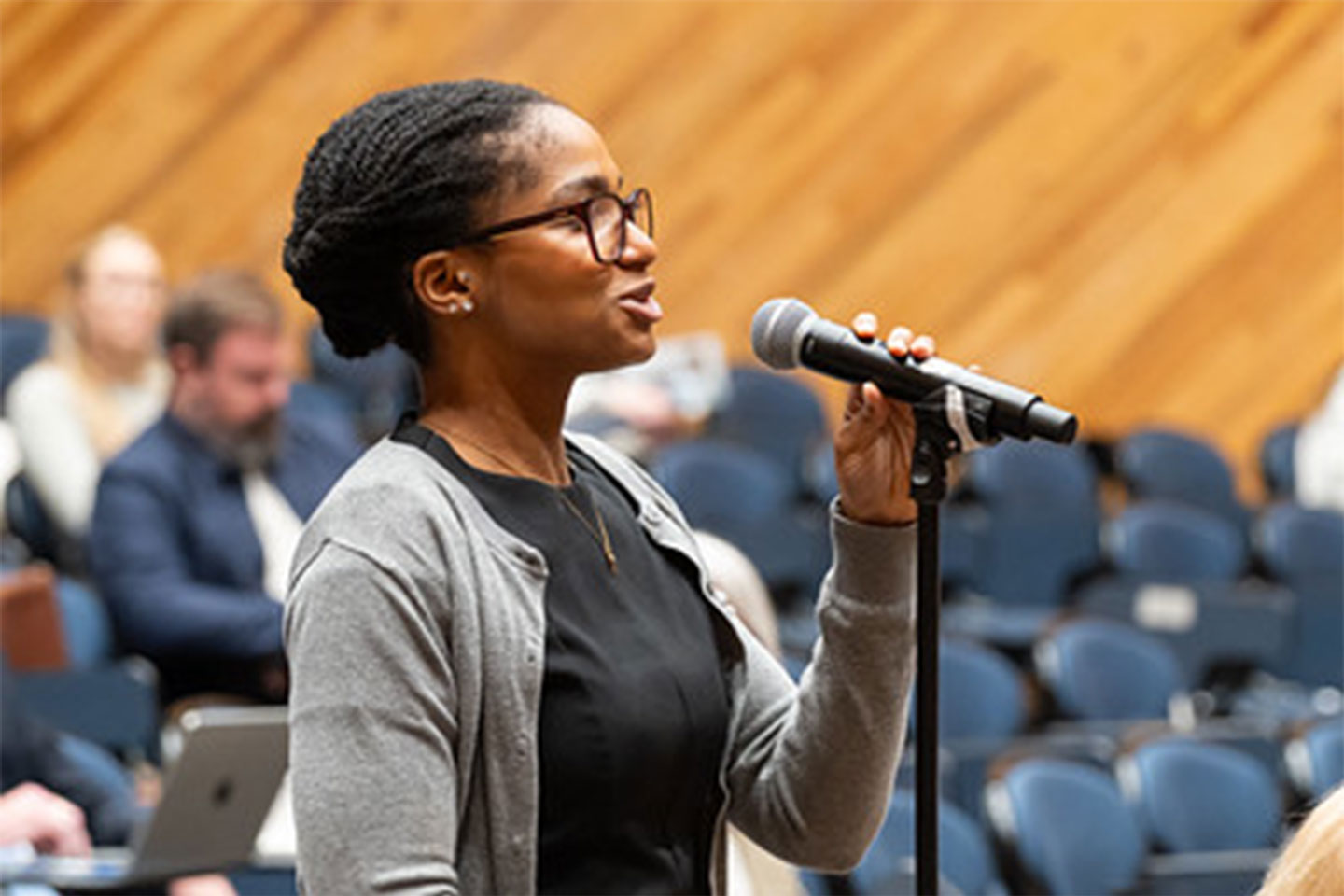


The discussions underscored the increasingly significant role of national courts and justice systems in a world that is ever more interconnected and legalised.
Access to justice is a foundational concern across legal systems. Whether grounded in constitutional provisions or international instruments, and whether implemented through supranational, national, or local frameworks, ensuring meaningful access to justice remains central. While the most acute barriers are often experienced by those who are economically or structurally disadvantaged (especially in the "Global South"), challenges of access affect societies more broadly. Access to justice is a cornerstone of both the rule of law and democratic governance, and at a time when efforts to constrain it are increasingly visible, not only in the United States but across the world, it is essential to remain vigilant and actively committed to safeguarding and strengthening it. At the same time, comparative assessment on a global scale remains methodologically complex, even as important initiatives, such as those undertaken by the World Justice Project and European Commission for the Efficiency of Justice (CEPEJ), provide valuable data and insights.
The symposium highlighted the diversity of institutional and procedural responses to these challenges. In some contexts, access to justice frameworks are the product of deliberate and systemic design, tailored to specific socio-economic and legal environments; in others, they evolve more incrementally. Yet in others, the frameworks are not yet stable and thus it is the informal justice, beyond the state-provided mechanisms, that is preferred. Across jurisdictions, it is increasingly clear that no single mechanism is sufficient. Rather, effective access to justice depends on a "plural justice ecosystem."
Finally, our discussions reaffirmed the importance of maintaining a genuinely global and balanced perspective. Bringing together insights from both the Global South and the Global North, and combining strong doctrinal analysis with practical, tested solutions, is essential. There remains considerable scope not only for further scholarly and comparative inquiry, but also for the dissemination and adaptation of effective tools and practices across jurisdictions.
Program and Speaker Information
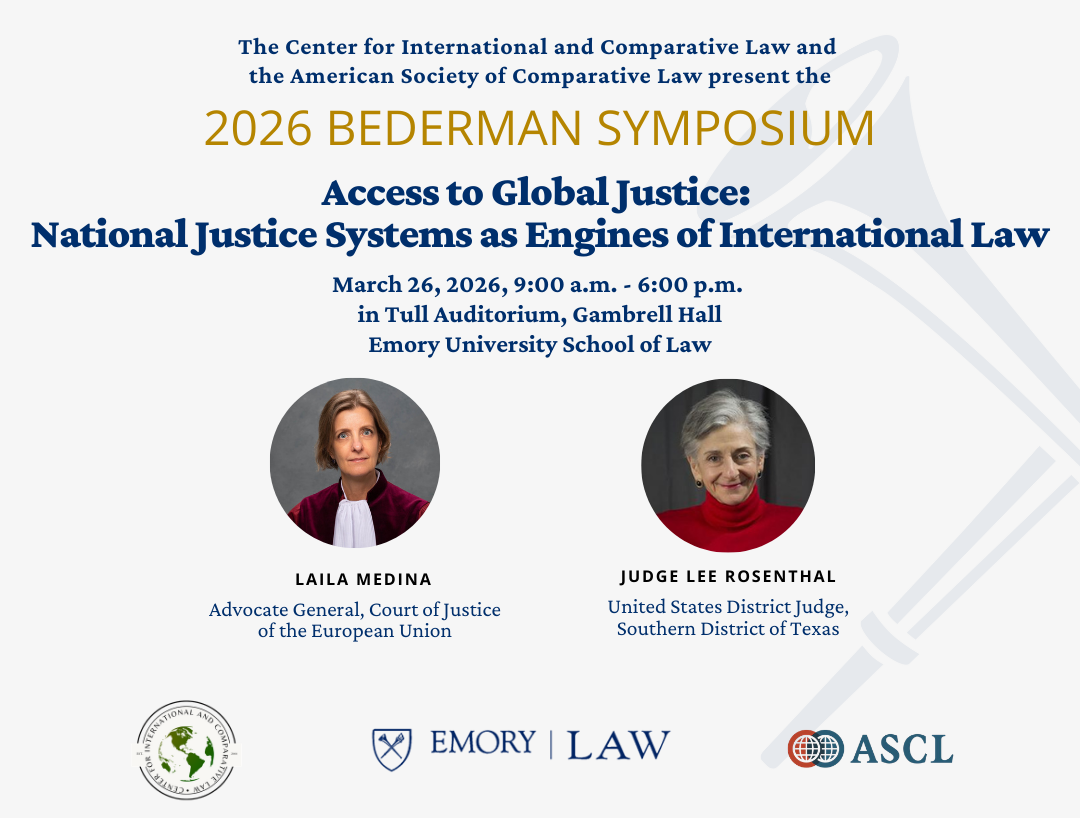
The Symposium convened judges, scholars, practitioners, policymakers, and global justice leaders who examined how legal systems around the world are redesigning procedural mechanisms to ensure meaningful enforcement of rights amid complex disputes, evolving human rights norms, and rapid technological change. Taking a comparative perspective, the Symposium explored topics including collective litigation, alternative dispute resolution, litigation funding, digitalization of courts, and the emerging role of artificial intelligence, with particular attention to how national courts protect fundamental rights across diverse legal traditions.
The program featured keynote addresses by Laila Medina, Advocate General of the Court of Justice of the European Union, and Lee Rosenthal, United States District Judge for the Southern District of Texas, alongside experts from multiple continents. Generously supported by the David J. Bederman Fund and sponsored by the American Society of Comparative Law, the Symposium honors the legacy of David J. Bederman, an esteemed Emory Law professor and renowned international law scholar, by continuing his commitment to advancing global and transnational legal scholarship.
View the program and speakers (PDF) »
About Professor David Bederman
Learn more about Professor Bederman's legacy.